Notable Hasty Ps
Notable Hasty Ps
Highlighting famed members of the Regiment
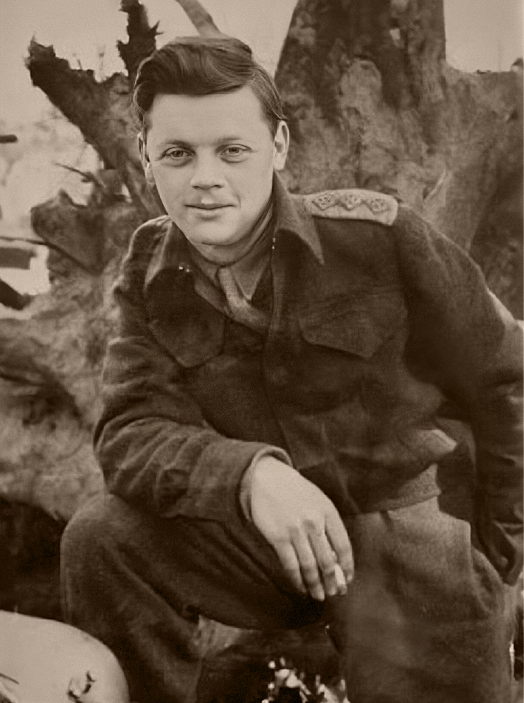
Farley Mowat
Mowat served as a supernumerary second lieutenant in the Second Battalion, The Hastings and Prince Edward Regiment. He participated in the Allied invasion of Sicily, and served as a platoon commander on the Italian front until he suffered from battle stress during the Moro River Campaign. He was promoted to captain and later worked as an intelligence agent in the Netherlands, negotiating food drops for Dutch citizens. Mowat also formed the 1st Canadian Army Museum Collection Team and transported German military equipment to Canada. He was discharged as a captain in 1945. He would go on to have a successful career as an author, writing four books about the Regiment and his experiences during the Second World War: "The Regiment", "And No Birds Sang", "My Fathers' Son" and "Aftermath".
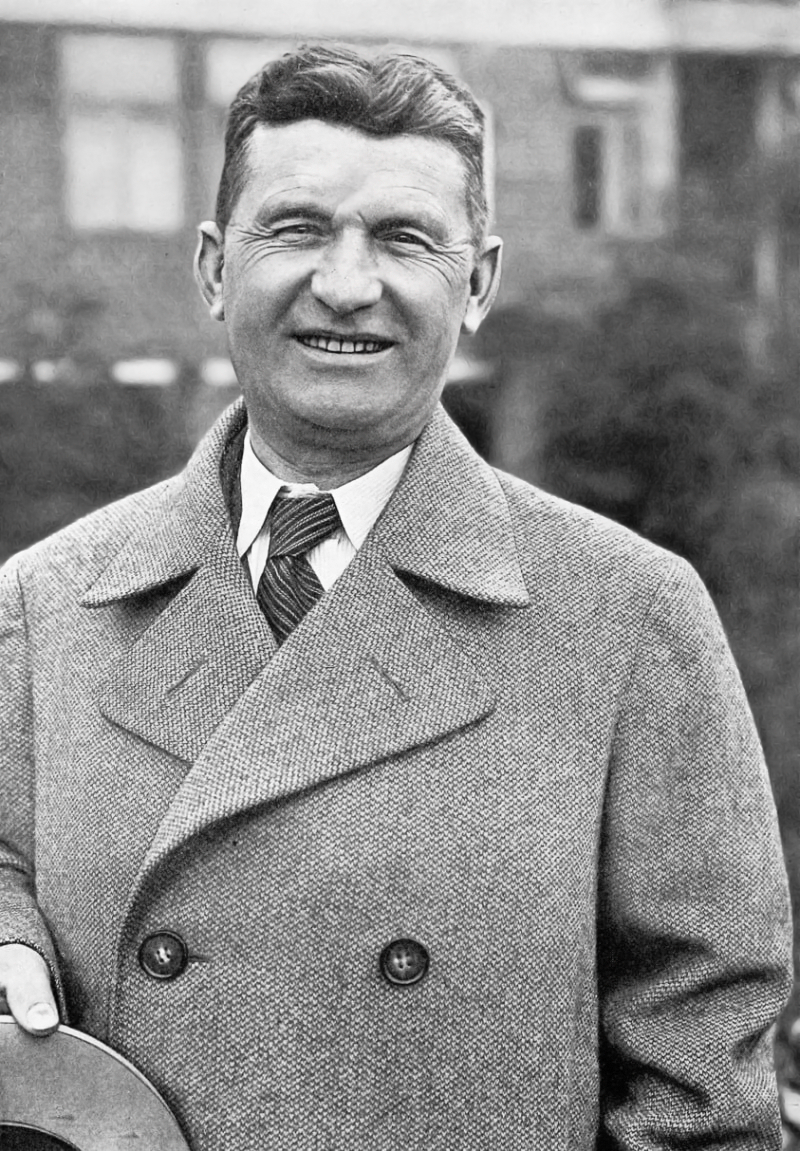
Thomas J. Bata
Thomas Bata, also known as Tomáš Jan Baťa, was a Czech-Canadian businessman and philanthropist. He led the Bata Shoe Company from the 1940s to the 1980s. During the Second World War, Bata joined the Hastings and Prince Edward Regiment and served as a captain in the Canadian Reserve Army. In 1972, he was invested as a Companion of the Order of Canada, which is Canada's highest civilian award. Later he served as an honorary colonel from 1999 to 2007, when he was often seen visiting with troops in the field.
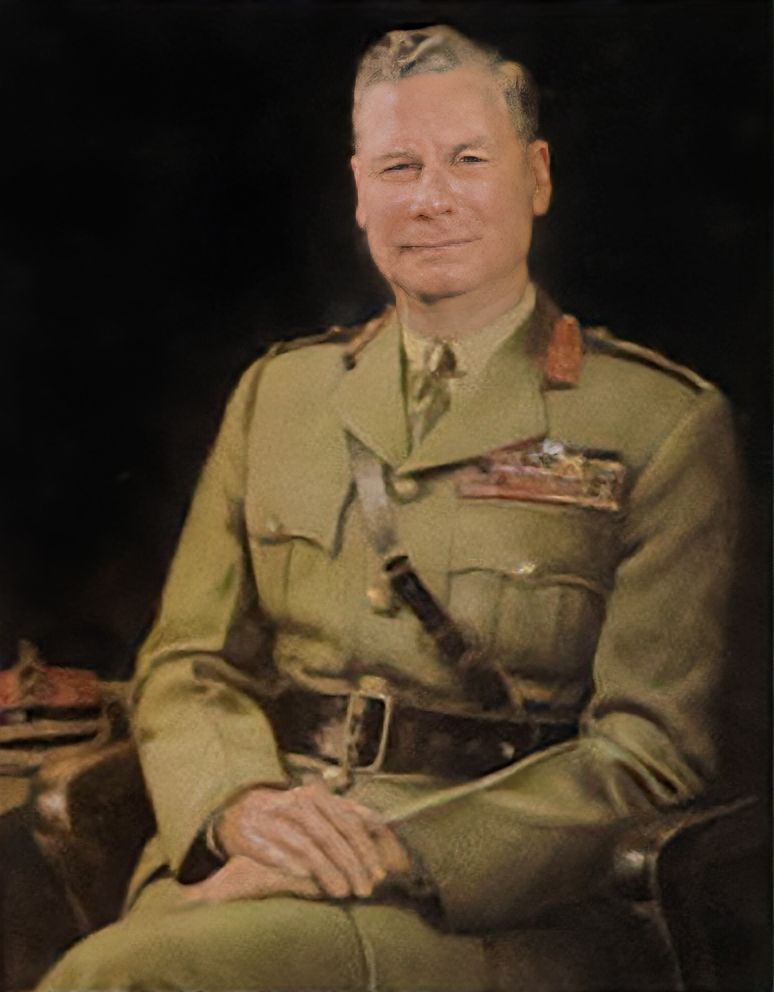
Howard Douglas Graham
Howard Graham enlisted with the Canadian Militia at age 17 and served with the Canadian Infantry during World War I in France, Germany and Belgium. Between the wars, Graham continued in the Militia as an officer with The Hastings and Prince Edward Regiment. With the outbreak of World War II in 1939, Graham went overseas as the Regiment’s second-in-command. Later he served as the Regimental commanding officer from 1940-1941 and was later promoted to Brigadier in command of the 1st Canadian Infantry Brigade, serving in Britain, France, Sicily and Italy. He held various high-ranking positions in the Canadian Army from 1946 to 1958, including Vice Chief of General Staff and Chief of the General Staff. After retiring, he served as Canadian Secretary to the Queen for the Royal Tour of Canada in 1959 and 1967.
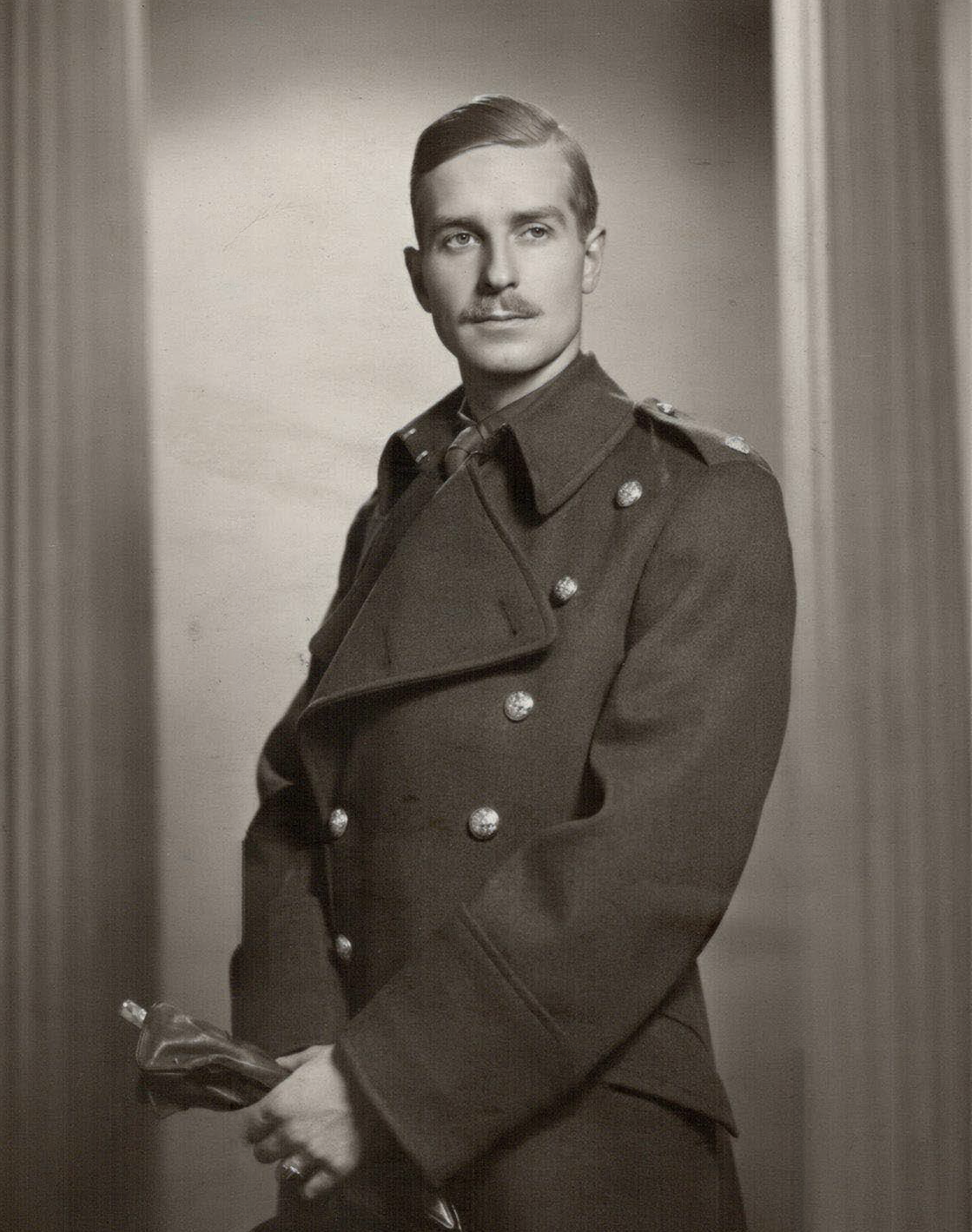
John Buchan
John Norman Stuart Buchan, 2nd Baron Tweedsmuir CBE, CD, FRSE, FRSA was the son of the novelist John Buchan, 1st Baron Tweedsmuir. Educated at Eton and Brasenose College, Oxford, he worked for a period in the Colonial Administrative Service in Uganda, later moving to Canada in 1936 and joining the Hudson's Bay Company, embarking on a 5000-kilometre dogsled journey to Cape Dorset in Baffinland. In 1939 at the onset of war, he joined the Governor General's Foot Guards in Canada, and was with the first Canadian troopship to reach England in December 1939.
He became Baron Tweedsmuir in 1940 after his father passed, and in 1941 he saw active service with the Hastings and Prince Edward Regiment (starting as second in command), in the Italian mainland and Sicily, where he was wounded. He was twice Mentioned in Dispatches, received an Order of the British Empire (OBE), and later a promotion to Commander of the Order of the British Empire (CBE). An avid explorer, he led numerous scientific expeditions and served as President of the British Schools Exploring Society for 21 years, and with no male heir, the barony passed to his younger brother upon his death.
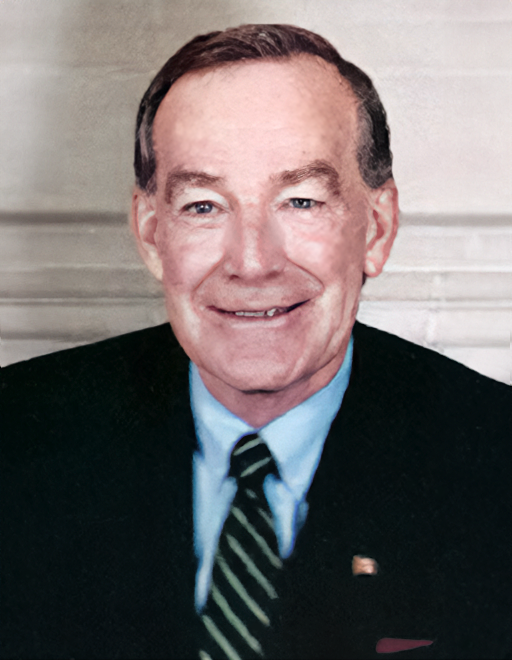
John Richardson
John Alexander "Jack" Richardson was a distinguished Canadian soldier, educator, and politician. He studied commerce at the University of Ottawa, later getting his Master of Education, before starting a 40-year-long career with the Canadian Forces, including a tour of duty in Germany from 1957 to 1960. After returning home, he was a teacher and vice-principal at Norwood Secondary School before transferring to the Hastings and Prince Edward Regiment as commanding officer from 1970 to 1974. He later was a superintendent of instruction in Stratford, Ontario, and commanded the Central Militia Area with the rank of Brigadier-General, then became Chief of Staff to the Canadian Army HQ in Montreal until 1992. After his military career, he retired from education and was elected in the 1993 federal election for the Liberal Party, representing Perth—Wellington—Waterloo, and was re-elected twice more before announcing his resignation in 2002.
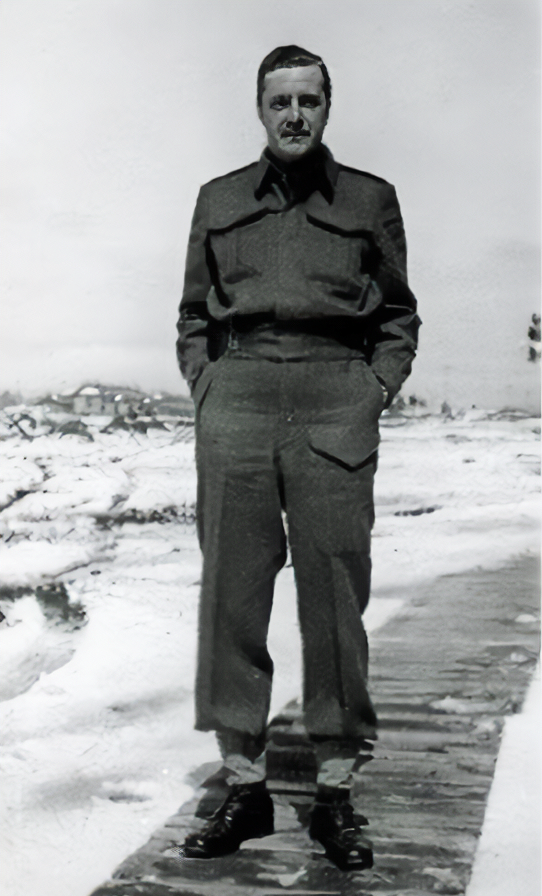
Maxwell E. Clarke
Brigadier General Maxwell E Clarke, ED, CD joined the 57th Regiment, Peterborough Rangers, at the age of 15, later joining C Company of the 4th Canadian Machine Gun Battalion out of Ottawa before the unit was absorbed in the 1936 reorganization of the Militia, becoming part of the Prince of Wales Rangers, MG. After the war broke out, Max began the mobilization process in Peterborough with the Rangers but ultimately shipped overseas with the Stormont, Dundas, and Glengarry Highlanders Regiment in 1940. He returned to Canada in 1943 as a newly promoted Captain to attend staff college at RMC, but when the Canadian Fifth Armored Division departed for Italy in 1944, Max landed in Naples with the Infantry Brigade, eventually becoming a reinforcement to the Hastings and Prince Edward Regiment.
Initially serving as second-in-command of the Regiment’s B Company, he later joined the First Brigade HQ, then transferred to Corps HQ for Operation Goldflake, contributing to the Canadians' movement to North-West Europe before being assigned at Army Headquarters until the war's end. After the war, he commanded the Prince of Wales Rangers, which became an anti-aircraft artillery Regiment, then commanded the staff of 13 Militia Group, his military career concluding in 1968 as an advisor on Militia affairs to the Minister of National Defence. Max held the title of Honorary Colonel of the Hastings and Prince Edward Regiment from 1970 to 1974.
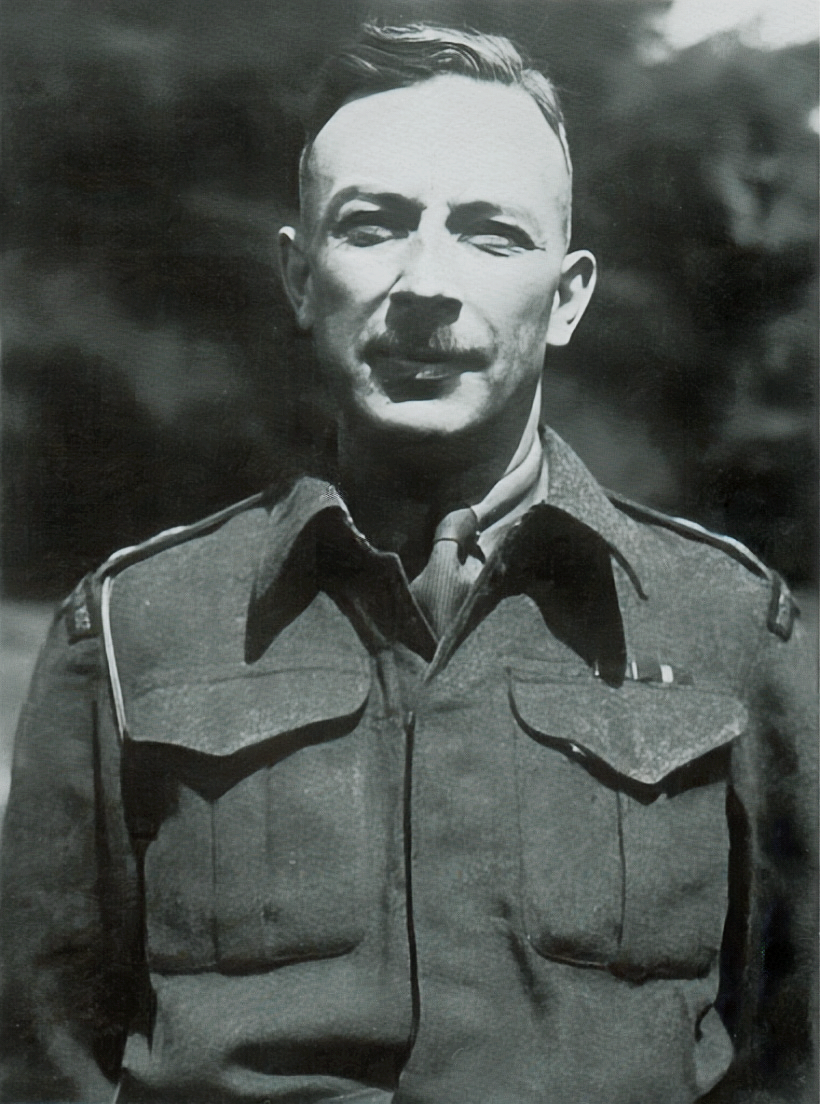
Bruce Sutcliffe
Bruce Albert Sutcliffe enlisted on 8 September 1939 in Trenton, Ontario. Due to his involvement on the Italian front in Sicily, he was awarded the Distinguished Service Order on September 23rd, 1943.
The recommendation read: “On Saturday, 17 July 1943, this officer was ordered to move across reconnoitred country a distance of 8 miles with his battalion and take the town of Valguarnera. He started with his normal complement on infantry support weapons but found the ground passable only on foot. He then continued without support arms and led his battalion across the most difficult country to the ground overlooking the town. Here he made his plan and personally took a small party into the centre of the town meeting enemy vehicles and tractors; he led and directed close-range attacks with S.A. and PIAT bombs, destroying at least 6 large enemy transport – one gun and killing upwards of 40 Germans. In the confused fighting which continued throughout the day, Col. Sutcliffe kept together a small group of his men and hunted enemy snipers and M.Gs. throughout the day. One of his men moving close to him was severely hit by an M.G. In the face of enemy fire, this officer dressed the wound, got the man undercover, and eventually to safety. His coolness, courage, and determination in the face of enemy S.A., arty. and mortar fire was an inspiration to all his men and were demonstrated also in action before Grammichele on 15 July 1943 when under mortar fire he continued to direct the attack with great skill and courage.”
He is commemorated on Page 218 of the Second World War Book of Remembrance and Quinte Search and Rescue (QSAR) has named one of their rescue boats after LCol Sutcliffe. LCol Sutcliffe was killed in action near Assoro, Italy on 20 July 1943, survived by his wife, Nell Sutcliffe of Trenton.
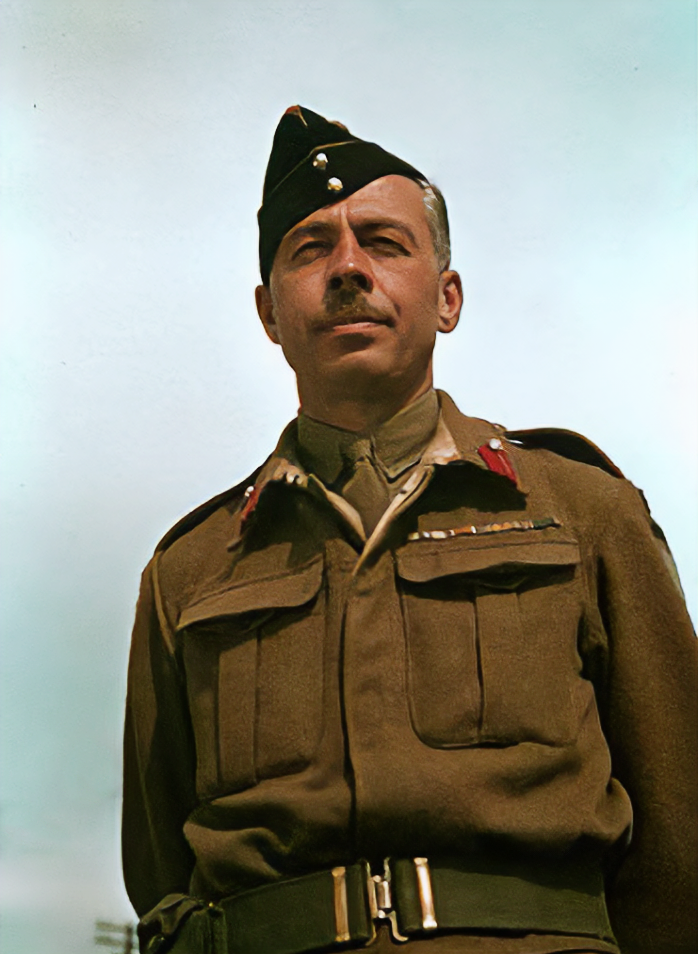
Harry L.N. Salmon
Major General Harry Leonard Nowell Salmon, MC & Bar was a senior Canadian Army officer who fought in both World Wars. After attending St. John's College in Winnipeg and briefly working in a civilian job, he enlisted in the Canadian Army at age 20 with the 95th Saskatchewan Rifles, soon after transferring to the 28th Battalion, another western Canadian unit. He served in World War I with distinction from 1915 until 1919, witnessing the introduction of tanks in trench warfare.
In 1940, he joined the 1st Canadian Infantry Division, rising to Lieutenant-Colonel & commanding the Hastings and Prince Edward Regiment, eventually taking command of the 1st Canadian Division in 1942, chosen by Lieutenant-General Andrew McNaughton. In 1943, Salmon headed the Canadian involvement in Operation Husky, the Allied invasion of Sicily which would be part of the push that brought about the end of the war. On April 29, 1943, Salmon & other high-ranking officials were scheduled to attend a meeting in Cairo, Egypt but due to bad weather, their aircraft stalled and crashed, resulting in the loss of all lives on board.
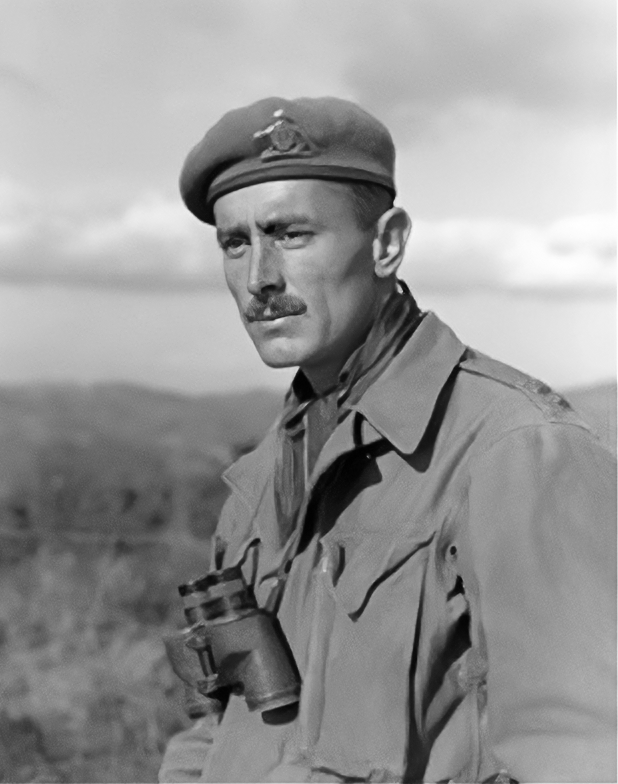
Jacques Dextraze
Jacques Alfred Dextraze, CC, CMM, CBE, DSO & Bar, CD started his military career at age 21 when he joined Les Fusiliers Mont-Royal in 1940 as a Private and was soon commissioned as Lieutenant, serving in the Second World War in North-West Europe where he was granted command of his Regiment in action and was twice awarded the Distinguished Service Order. After the war in Europe, he was given command of the 2nd Canadian Infantry Battalion (The Hastings and Prince Edward Regiment), CAPF in preparation for deployment to the Asian theatre, but they never left Canada as the war ended. In 1950 he was called back from a civilian career to build, train and command the 2nd Battalion, Royal 22e Regiment, leading it in the Korean War. His battalion won considerable acclaim for its stubborn stand at "Hill 355" when allied troops withdrew, leaving the "Vingt-deux" surrounded but unshaken.
In 1962 he was promoted to the rank of Brigadier General, and in 1963, the first Canadian Chief of Staff for the United Nations Operation in the Congo. He oversaw the mission's withdrawal during the Simba rebellion and conducted missions to rescue aid workers, missionaries, and NGO personnel, earning the Commander of the Order of the British Empire for his remarkable peacekeeping leadership. In 1967 he was promoted to Major-General and Lieutenant-General in 1968. In 1972, he was promoted to the rank of General and became Chief of Defence Staff of the Canadian Forces for five years before retiring from the Canadian Forces in 1977 and going on to become the Chairman of the Canadian National Railway.
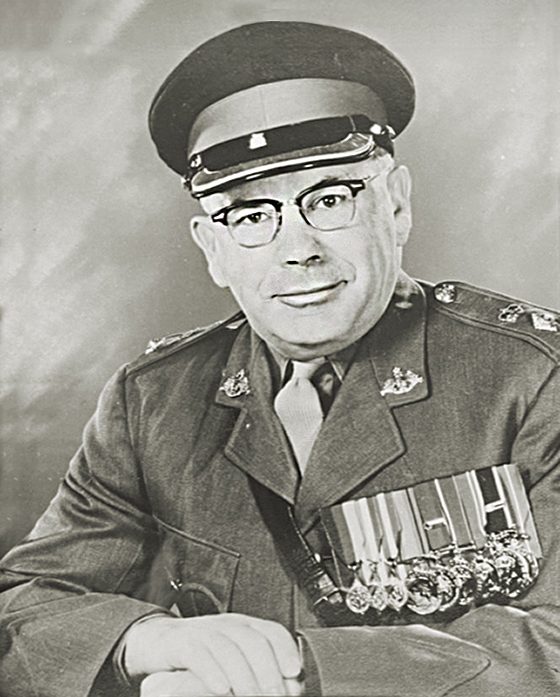
Angus Duffy
Angus Duffy enlisted with C Company of the Regiment in 1930 in Trenton, Ontario. He was promoted to RSM on the eve of the Regiment’s departure for England in December 1939, which would prove to be a pivotal choice as he played a crucial role in transforming civilian volunteers into an efficient fighting force, earning the Regiment more battle honours during the Second World War than any other Canadian Infantry Regiment.
In July 1943, after landing at Pachino in Sicily under the command of LCol B Sutcliffe, RSM Duffy valiantly climbed the mountain of Assoro in Sicily not once but twice, including a dangerous descent to fetch supplies of food and ammunition as the battle raged around him. In January 1944 he was recalled to England to become an instructor with the Canadian Army forming there and remained there until the end of the war.
Immediately following demobilization, Duffy rejoined the Militia battalion, and commanded the Regiment from 1958 to 1962, later becoming Honorary Colonel in 1976. Outside of his work with the Regiment, he served as an alderman in Belleville working to expedite post-war housing, he promoted Scouting, organized emergency measures, and established a recreational trail association. Angus Duffy exemplified the Canadian citizen-soldier, serving with dedication and passion both in the military and in his community, passing into the 'White Battalion' in 1998.